
Emergency Services
A Post-Storm Home Damage Checklist
Once a storm passes, it's tempting to rush outside and start assessing damage. Slow down for the first few minutes — a methodical walkthrough protects you and gives you a better record for insurance.
Check for Immediate Safety Hazards First
Before you inspect anything else, look for downed power lines, gas odors, and standing water near your electrical panel or outdoor units. If you see or smell any of these, stay away from the area and call the utility company or 911 rather than investigating yourself.
Look at the Roof From the Ground
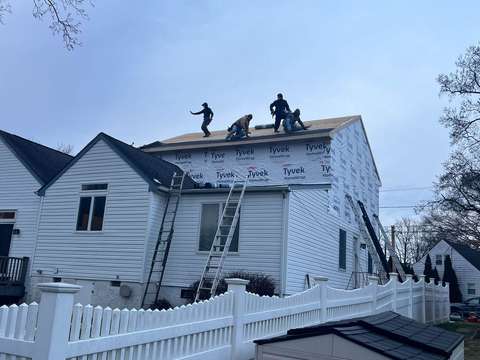
Don't climb onto a roof after a storm, even to check for damage — wet or wind-loosened shingles are a fall risk. Walk the perimeter of the house and look up for missing shingles, exposed underlayment, or visibly bent flashing, and use binoculars if you want a closer look without climbing.
Check Gutters and Downspouts
Storms often knock gutters loose or fill them with debris that keeps water from draining properly. A gutter pulling away from the fascia or overflowing during rain is worth addressing quickly, since water running down the side of the house instead of through the downspout can lead to siding and foundation issues.
Inspect Windows, Doors, and Siding for Wind Damage
Walk the exterior looking for cracked or broken window glass, damaged screens, and dented or missing siding panels. Even small cracks in a window can let water in during the next rain, so they're worth tarping or covering temporarily if you can't get them repaired right away.
Check the Basement and Crawl Space for Water Intrusion
Heavy rain can push water into a basement or crawl space even without an obvious leak, especially if grading or a sump pump isn't keeping up. Check these areas as soon as it's safe, since standing water left unaddressed for even a day or two can lead to mold growth.
Document Everything Before You Start Repairs
Photograph and video every area of damage — roof, gutters, siding, windows, and interior — before you move debris or start temporary repairs. Insurance adjusters work from what you can show them, and it's much harder to prove damage after cleanup has already started.
When to Call a Contractor vs. Handle It Yourself
Minor debris cleanup and clearing gutters are reasonable DIY tasks. Anything involving the roof, structural elements, or active water intrusion is worth a professional assessment — both for safety and because storm damage often extends further than what's visible from the ground.
Get an Assessment Before Small Damage Becomes Big Damage
Storm damage that looks minor can hide bigger problems underneath — a few lifted shingles today can mean a leak in a few weeks. Request an inspection and we'll help you figure out what needs attention now versus what can be scheduled.
Related: Emergency Services